



























Verizon gives a glimpse of futuristic FiOS apps
more on the topic
BASKING RIDGE, N.J.--As its FiOS network nears the end of its fourth year, when it was projected to pass 7 million households, Verizon this week gave the media a glimpse of what has been going on behind the curtains to add new functionality to the system.
With the major caveat that none of the applications being demonstrated is yet a service offering -- or even guaranteed to become one - the company showed off the art of the possible when homes are fully networked via IP and wireless and wireline networks are converged. Among the potential offerings was a home monitoring service using Web cams and a variety of commercially available monitoring devices to track temperature, moisture and movement as well as interactive advertising that lets consumers easily browse items or information related to what they are viewing.
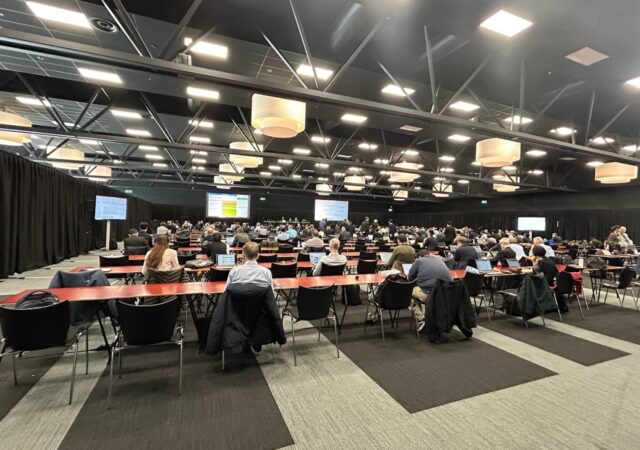
A major theme of the event--hosted by the Verizon Technology Office (VTO), headed by Chief Technology Officer and Executive Vice President Mark Wegleitner, at the company’s Customer Presentation Center within its headquarters here--was that the real power of applications come from “cooperative processing and cooperative activity between the network and the devices at consumers’ homes,” Wegleitner said in his opening remarks. “That is the way we can create the most efficient and most impressive applications for our customers.”
By hosting intelligence--including presence, service intelligence and applications such as games--in the network, Verizon is better able to not only help customers better communicate but also get information and applications on the devices appropriate to a given customer at a given time, the Verizon presenters said. In addition, Verizon can make things that are doable today, but difficult, much simpler for their customers.
“Today, you almost need an IT geek in the family,” said Tushar Saxena, director of home networking technologies. “We will be your IT geek.”
It was also apparent that while many of the applications being demonstrated are technologically doable today, there are basic business issues – including the need to have enough FiOS subscribers to attract interest – and other larger issues, such as consumer education and privacy protection, that are likely hurdles to new features.
Highlights of the presentation included:
IM Everywhere – Using network-based presence, the service enables seamless messaging between IM-based PCs and Short Message Service-based phones. The network detects which device is in use and sends the message to that device, either a PC or a handheld. This service will require the presence servers to be conditioned to accept PC messaging, said Michael Weintraub, director of business services innovation and integration, but is otherwise doable today.
Gaming Anywhere – This application would allow consumers to have access to online games from multiple different devices – TV, PC or phone – and enable them to play each other, regardless of the device. FiOS set-top boxes come with USB ports into which game controllers can be plugged to enable casual gamers to play online, said William Garrett, director of mass market services innovation and integration. “The games are executed in the network, not the device,” he said.
Advanced Advertising – Verizon is already showing this capability to the advertising community and finding they are very interested, said Joanne Lacourse, director of user-centered design. Consumers watching a given show can hit the “FiOS” button on their remote controls and be shown a menu of related content, from menus being used in a cooking show, to books on related topics to DVDs featuring the actors on screen. Consumers can buy an item with one click and have it added to their FiOS bill or billed to a credit card, or they can have related information, such as recipes or maps to nearby car dealerships, sent to the device of their choice via email, text message or other format. The technology to do this exists today, Lacourse said, but the business models need to work.
HomeWave Media Share – This takes advantage of the in-home MoCA network Verizon’s technicians establish when they install FiOS, linking TVs and PCs over the existing coaxial cable. As demonstrated, a photo taken on a WiFi-enabled camera is detected by the Home Broadband Router and automatically downloaded to a pre-designated storage device, such as a PC or server. Verizon could even provide automatic network backup of the storage device to protect photos, videos and other content in the event of a device failure or a disaster, said Saxena. The content can be viewed on any networked device in the home.
HomeWave Security – As outlined above, the security service would use the home network and the IP nature of the service to allow consumers to access Web-based videos or other monitoring devices from anywhere by logging on.
Integrated Services on IMS – Using a combination of IMS and Web services technology, it is possible to extend presence to include knowing if someone is watching a TV show and available to talk or receiving notification that they have just turned on a phone and are available to take a call or receive a message. As with advertising, there are non-technology issues to be resolved, such as privacy and opt-in/opt-out settings, said William Goodman, director of Multimedia Services Architecture.
popular articles
Want to use this article? Click here for options!
© 2008 Penton Media Inc.


